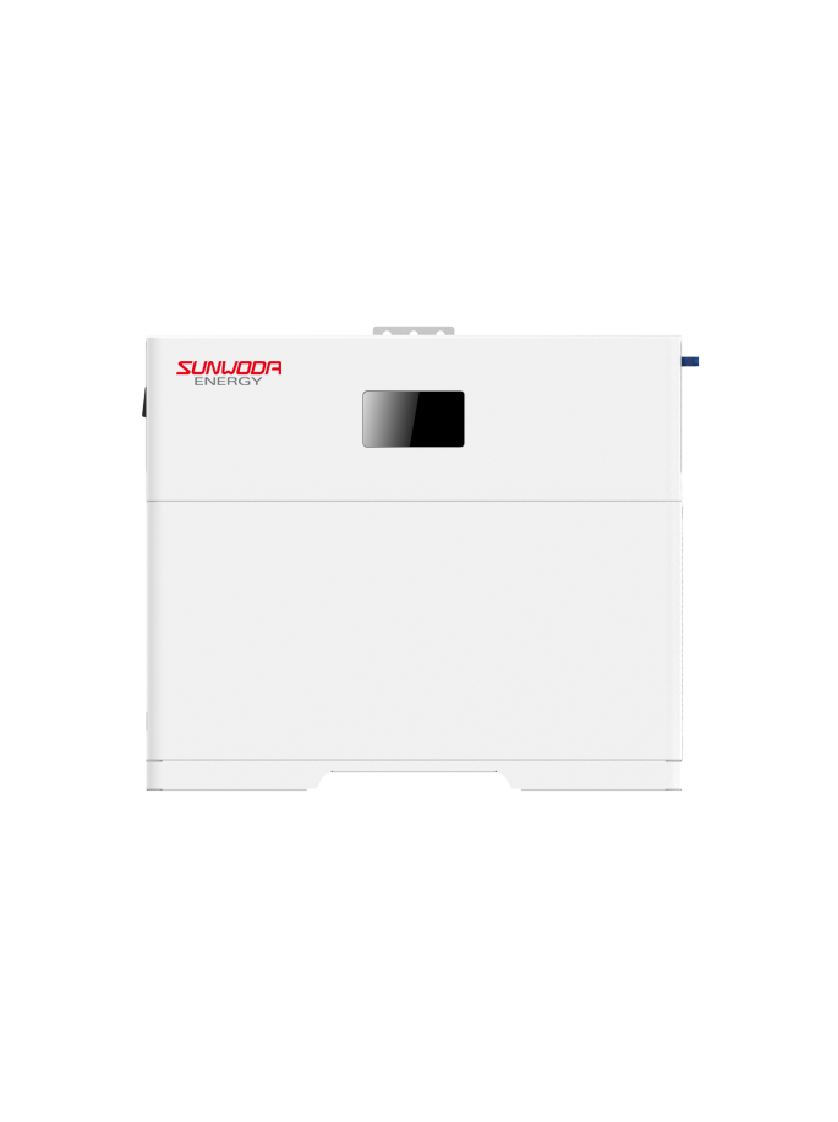
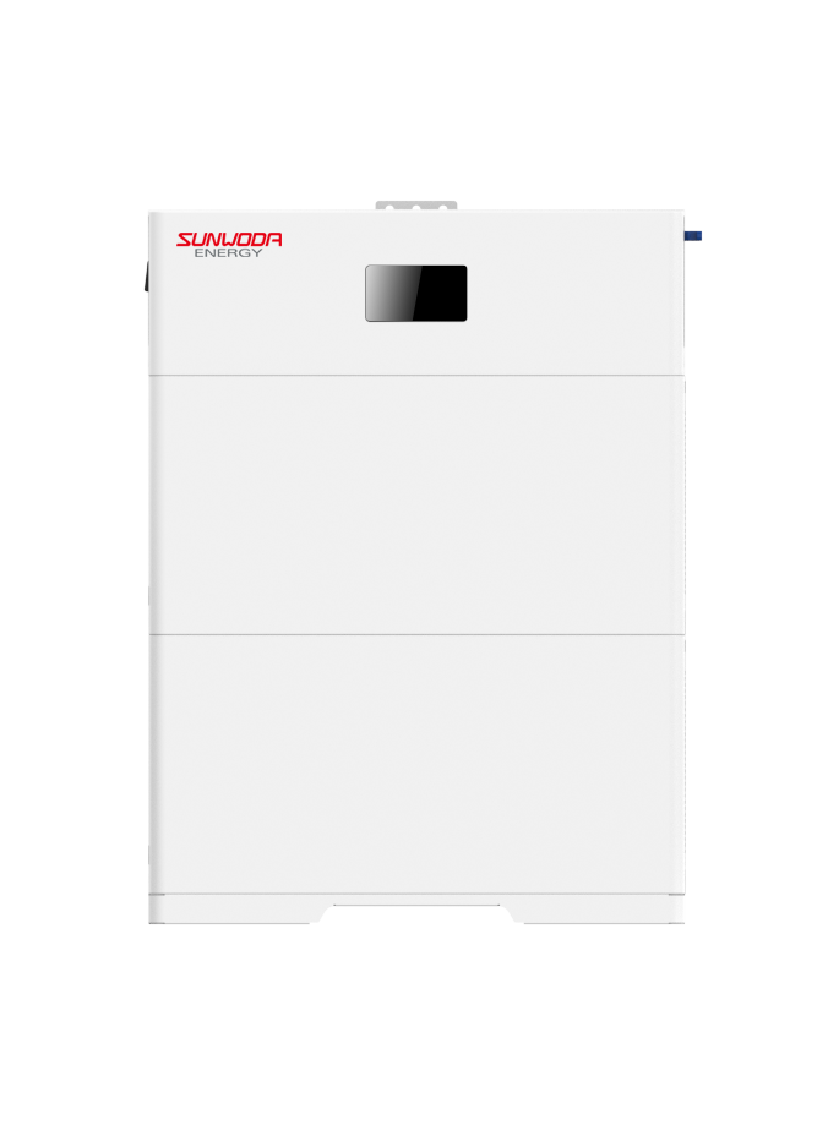
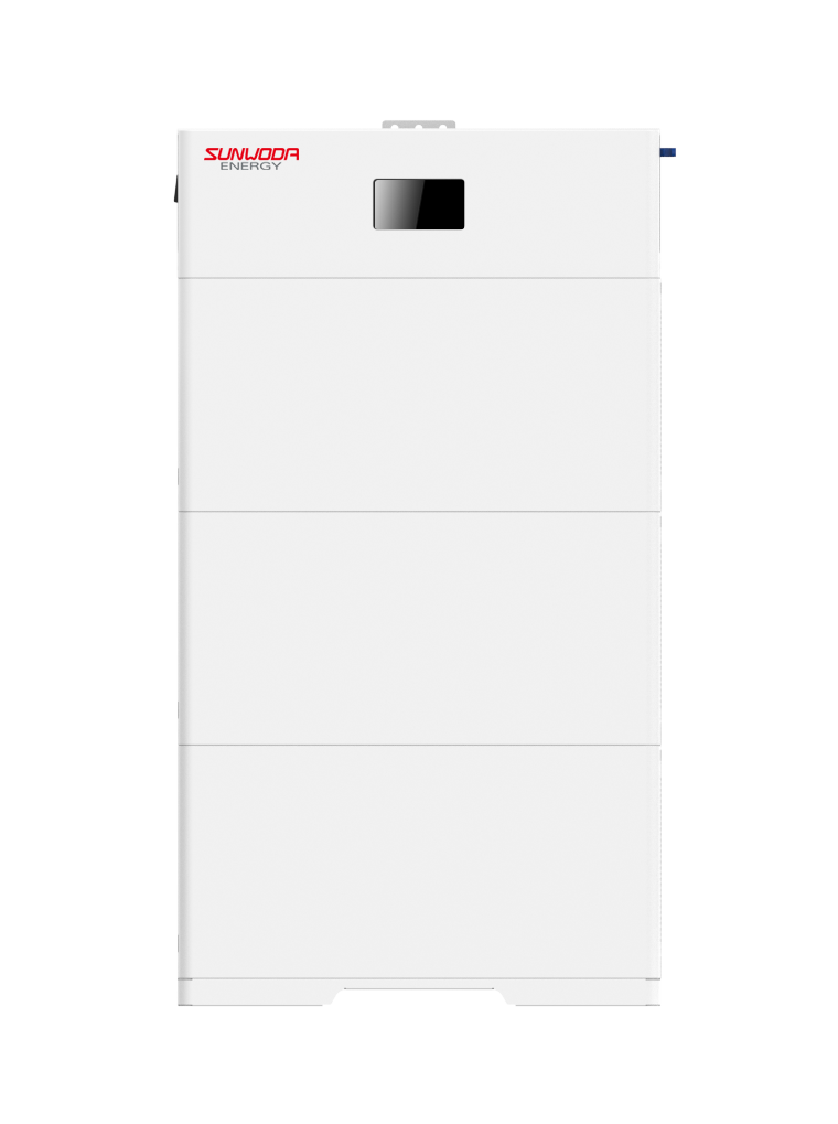
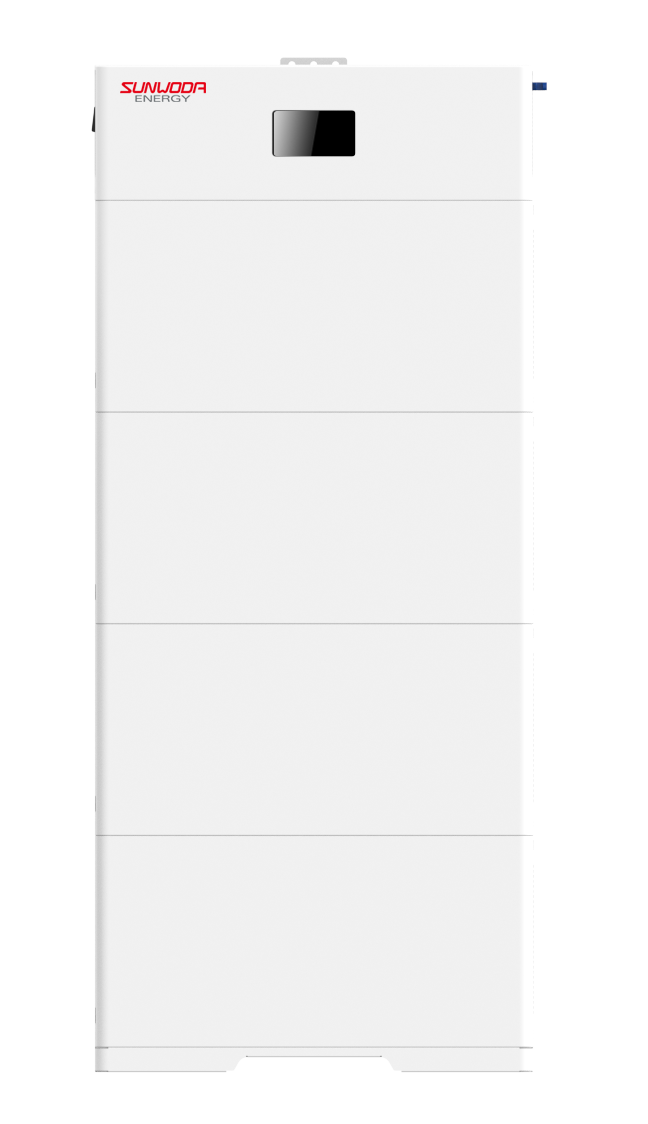
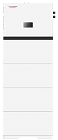
Meet SunESS H, A Home ESS that Meets the Large Energy Demands of Homeowners
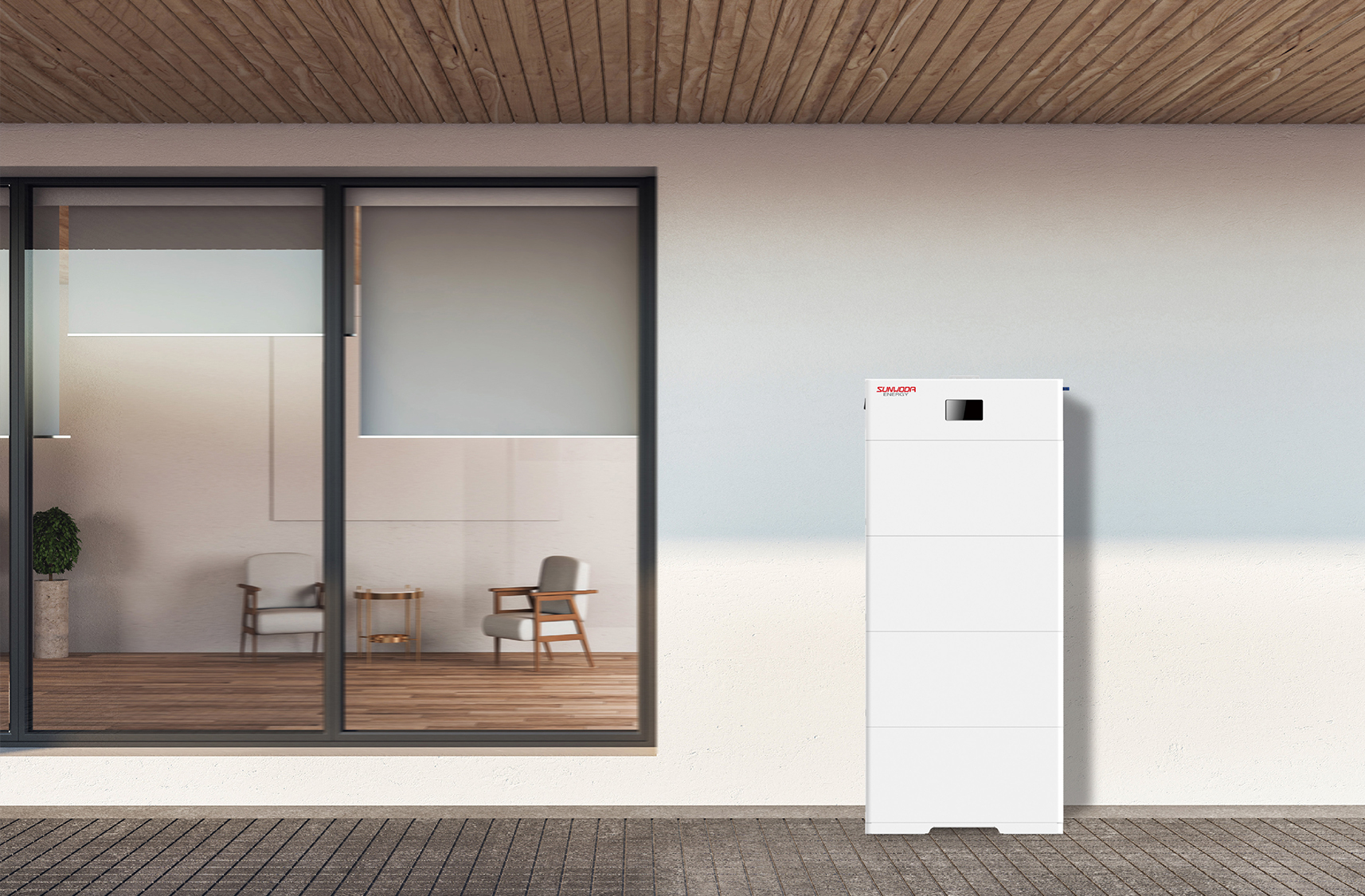
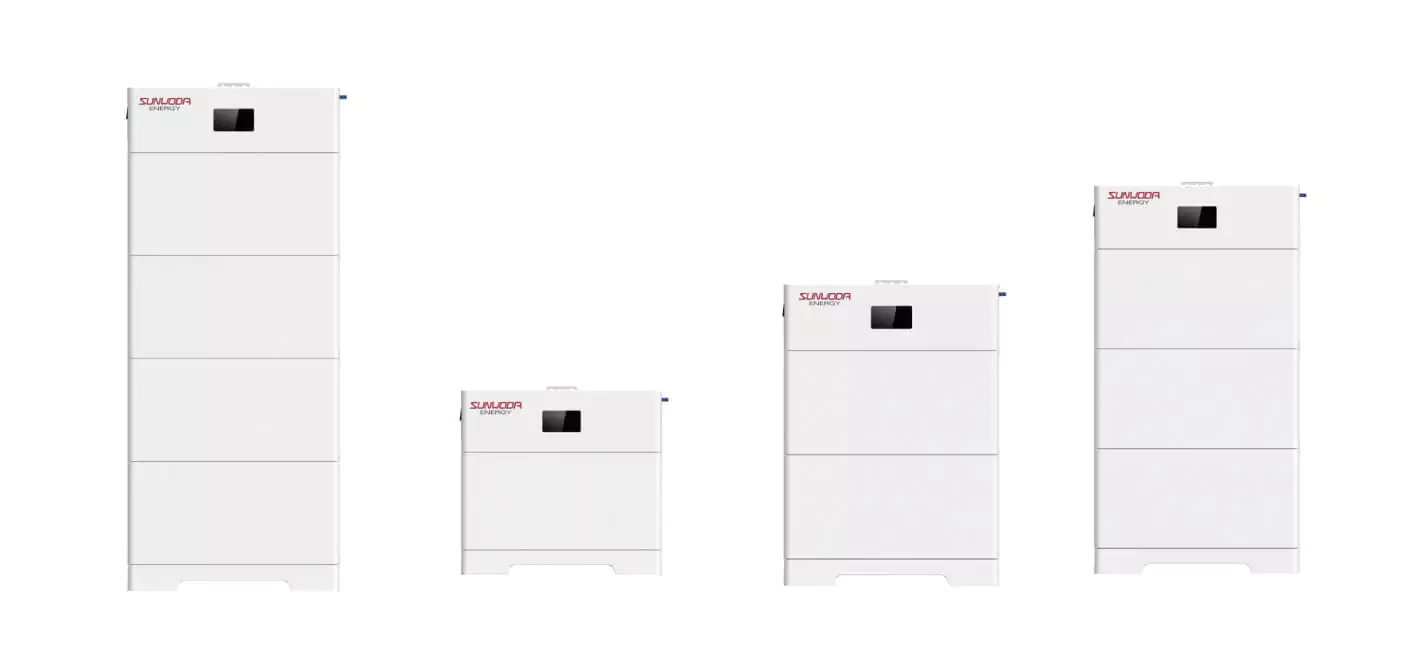
As homes or commercial properties are having greater energy demands, high-voltage batteries have become a new trend in the clean energy industry. They are highly efficient and offer a higher charge/discharge rate to easily operate heavy appliances, such as electric vehicles. Sunwoda SunESS H series is a stackable and scalable residential energy storage system featuring a high voltage of 400V. It is specially designed for households or commercial properties with larger energy demands.
Flexible Capacity
Easy to install
Excellent Performance at Low Temperature
Real-Time Monitoring
High Voltage (~400V)
Sunwoda Inside, Power Your Life
Flexible High-Voltage Home Energy Storage with the SunESS H Series
Designed for Higher Household Power Demands
With its high-voltage architecture, the SunESS H Series is designed to support residential applications with higher power and energy requirements.
Scalable Design for Different Energy Storage Needs
The SunESS H Series offers system capacities from 5 kWh to 60 kWh, providing flexibility for different household energy storage and backup power requirements.
Broad Inverter Compatibility
Compatible with hybrid inverters from more than 10 brands, the SunESS H Series supports flexible integration into compatible residential energy systems.
LFP Battery Technology
The SunESS H Series uses lithium iron phosphate (LFP) battery technology, designed to support stable performance and long-term residential energy storage applications.
Flexible On-Grid and Backup Operation
The SunESS H Series supports a range of residential energy storage applications, helping households manage everyday energy use and maintain backup power when the system is appropriately configured.
Smarter Energy Use at Home
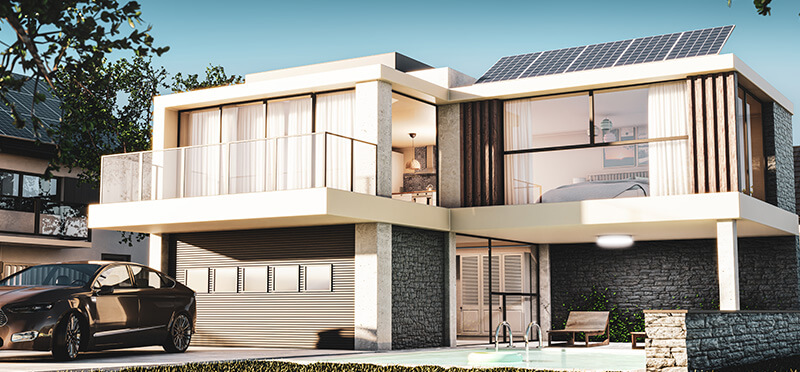
The SunESS H Series helps households store electricity for later use and manage energy more flexibly. When charged from compatible renewable energy sources, such as solar PV, it can help increase the use of locally generated electricity and reduce electricity drawn from the grid.